




By Michael Ovat -Awka
Professor of Chemotherapy and Endocrinology, Chukwu Leo Clinton, of Chukwuemeka Odumegwu Ojukwu University (COOU), on Thursday, November 12, 2026, delivered the University’s 37th Inaugural Lecture titled, “Safeguarding Pregnancy in the Shadow of Malaria: The Promise and Puzzles of Intermittent Preventive Treatment with Sulphadoxine-Pyrimethamine (IPT-SP).”
Held at the ETF Auditorium, Igbariam Campus, the lecture examined the impact of malaria on maternal and newborn health, highlighting the importance of intermittent preventive treatment with sulphadoxine-pyrimethamine (IPT-SP) in reducing malaria-related complications during pregnancy.
In her opening remarks, the Vice-Chancellor, Prof. Kate Azuka Omenugha, FNIPR, ably represented by the Deputy Vice-Chancellor, Development and Uli Campus Affairs, Prof. Sylvia Okonkwo, congratulated Professor Clinton on the academic milestone. She commended the Inaugural Lecturer for his contributions to the growth and development of the University and society, while also appreciating the organising committee for the successful event.
The Vice-Chancellor emphasised the importance of scholarly research and academic contributions in addressing societal challenges, particularly in the health sector, noting the significance of research that translates knowledge into practical solutions for improving human lives.
In his presentation, Prof. Clinton traced his academic and professional journey, explaining how his early interest in medicine and subsequent exposure to pharmacology and clinical practice shaped his research interest in malaria and maternal health.
He explained that his decision to focus on malaria research was informed by the disease’s persistent burden in Nigeria and Africa, particularly its devastating implications for pregnant women and their unborn children.
The Inaugural Lecturer noted that his research had evolved across different areas of pharmacology and maternal healthcare, including the therapeutic potential of medicinal plants, malaria treatment, HIV prevention and the evaluation of interventions aimed at improving pregnancy outcomes.
Highlighting his research on the therapeutic potential of Gongronema latifolium, he disclosed that laboratory investigations revealed promising blood sugar-lowering properties in diabetic experimental models, suggesting the plant’s potential as a source of bioactive compounds for future drug development.
Prof. Clinton, however, identified maternal malaria prevention as a central focus of his scholarly contributions, explaining that his investigations into intermittent preventive treatment with sulphadoxine-pyrimethamine had provided important insights into its benefits and associated considerations in pregnancy.
Presenting findings from a study involving 296 pregnant women, comprising 148 women who received IPT-SP and 148 in the comparison group, he highlighted the relationship between the intervention and maternal haemoglobin levels. He explained that the findings demonstrated a significant difference between the groups, reinforcing the importance of IPT-SP as a clinical intervention in addressing malaria-related anaemia during pregnancy.
The Professor further examined the antioxidant status of pregnant women receiving IPT-SP, drawing attention to the relationship between malaria prevention, oxidative balance and maternal nutritional health.
He observed that although IPT-SP remains an important intervention against malaria in pregnancy, his research identified a reduction in maternal plasma vitamin C levels among women who received the treatment. Consequently, he advocated the routine assessment of vitamin C levels and appropriate supplementation as part of antenatal healthcare services.
Prof. Clinton also presented findings from studies examining maternal knowledge and preventive practices against malaria, noting that awareness of the complications associated with malaria in pregnancy remains an important factor in improving maternal health outcomes.
Moving beyond maternal health indicators, the Inaugural Lecturer highlighted his research into neonatal outcomes, particularly the health and wellbeing of babies born to mothers who received IPT-SP.
According to him, findings from the study revealed significantly higher Apgar scores at one and five minutes, as well as better birth weights among newborns whose mothers received IPT-SP compared with those whose mothers did not receive the intervention.
He explained that the findings underscore the importance of effective malaria prevention during pregnancy in reducing adverse maternal and neonatal outcomes, while strengthening the case for improved compliance with recommended preventive treatment protocols in malaria-endemic communities.
The Inaugural Lecturer emphasised the need to bridge the gap between scientific research and practical healthcare delivery, insisting that academic investigations should not end with publications but should translate into interventions, policies and products capable of improving lives.
He also stressed the importance of sustained research funding, stronger institutional support and collaboration with pharmaceutical companies to facilitate the translation of promising scientific discoveries into practical healthcare solutions.
Prof. Clinton further encouraged young academics and researchers to remain committed to publishing their research findings and ensuring that their scholarly contributions address real-life challenges.
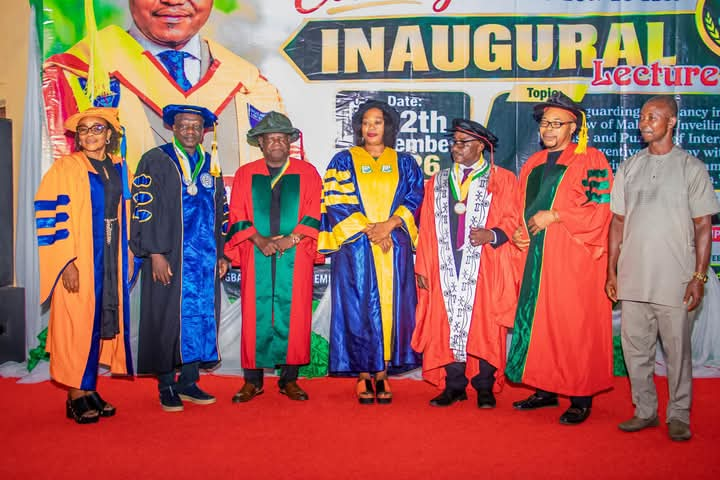
The highlight of the event was the presentation of a medal to Prof. Chukwu Leo Clinton in recognition of his academic achievement as a Super Professor, followed by a group photograph to commemorate the occasion.
